


COMPREHENSIVE INDUSTRIAL
WATER TREATMENT SOLUTIONS
Advanced, integrated, end-to-end services and solutions that maximize water recovery and reuse across various industries.
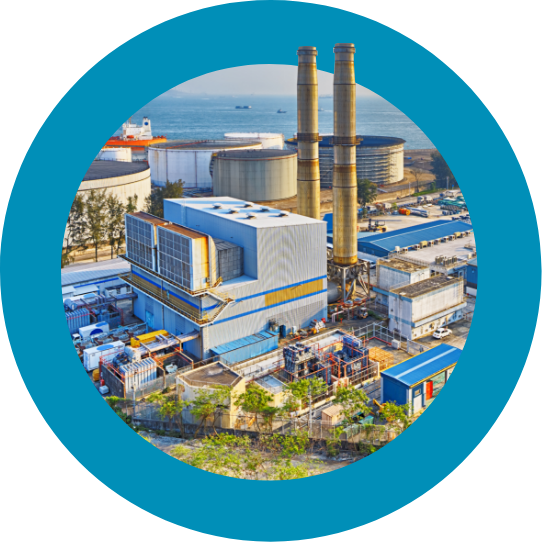
What is Industrial Wastewater Treatment?
Industrial water treatment relates to a series of procedures for treating contaminated water in facilities, enabling safe water discharge, and reuse of industrial water to maximize wastewater recovery. As industries continue to generate huge amounts of wastewater and water becomes less accessible for industrial applications, there is a growing need for high-recovery solutions that help meet today’s challenging regulatory and sustainability water demands.
Wastewater treatment processes that remove contaminants and pollutants from the effluent can include physical/chemical treatment, biological treatment, membrane filtration treatment (RO,NF), and many others.
IDE provides advanced industrial water treatment solutions to a wide range of sectors, including Semiconductors, Power, Mining, Petrochemicals, Manufacturing and many others.
Disposal of industrial plant wastewater
can be a challenging task.
Common disposal options include:
-
 Direct Surface Discharge: releasing treated wastewater directly into surface water bodies.
 -
Discharge to a Local Treatment Plant (WWTP): sendIng wastewater to a municipal facility for further treatment.
-
Deep Well Injections: injecting wastewater deep underground into porous rock formations.
-
Evaporation Ponds: large basins utilizing solar radiation for wastewater evaporation

As water scarcity intensifies and regulations become more stringent, industrial plants are increasingly focused on minimizing effluent disposal and maximizing water recycling and reuse within their processes.
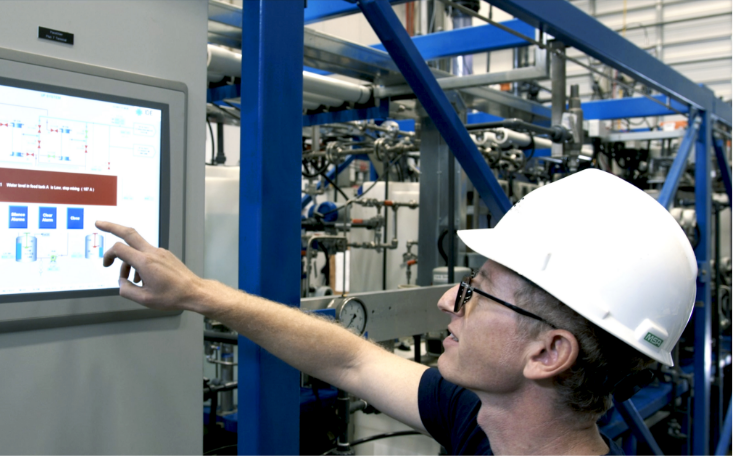
We excel in maximizing recovery
IDE treats the most complex wastewater, offering the highest wastewater recovery rates in the industry. By combining our proprietary MAXH2O products with a wide range of water treatment technologies—each customized to meet the unique needs of different industries—we can effectively address even the most complex wastewater treatment challenges.
Understanding the chemistry of water
IDE’s expert engineers possess a deep understanding of the diverse mineral and organic chemistry of wastewater across various industries. This expertise enables us to develop tailored, optimal, and efficient wastewater treatment solutions for each specific application, ensuring superior performance and strict compliance with environmental standards.
Our industrial wastewater treatment solutions have been successfully implemented worldwide, with some systems in operation for decades. These solutions support numerous industries including Mining, Power, Refining & Petrochemicals, Microelectronics & Semiconductors, and Manufacturing tackle and overcome their wastewater treatment challenges.

Industry Challenges
Industries today face a complex set of interconnected challenges: water scarcity, stricter regulations for wastewater disposal, and the growing pressure to operate sustainably.
Water scarcity
Freshwater availability is becoming a growing concern. Most industries rely heavily on water and are increasingly facing rising costs and the growing non-availability of freshwater sources.
Disposal regulations
Regulations around wastewater disposal are becoming stricter, with increased scrutiny on pollutants and proper treatment methods. This necessitates significant investments in advanced water treatment solutions.
Sustainability
Governmental regulatory bodies and investors are demanding more environmentally friendly practices. Industries must find ways to reduce their carbon footprint, minimize pollution, and incorporate renewable resources. The most effective solution to these challenges is to treat the wastewater effluent, enabling the reuse and recycling of water within the plant. This approach minimizes the demand for freshwater and reduces wastewater effluent discharge, promoting sustainability and cost-efficiency.
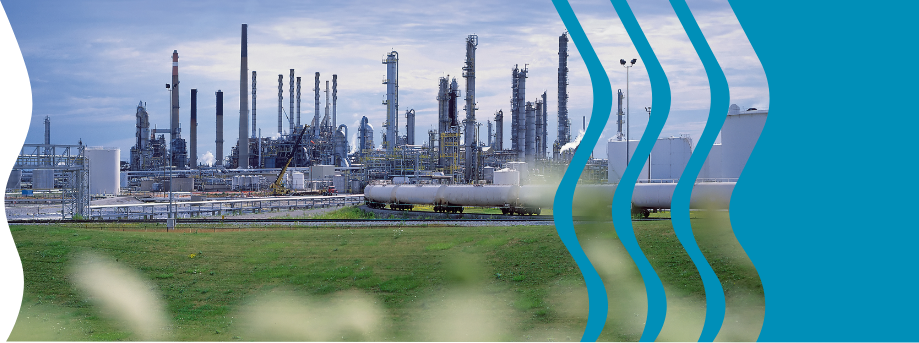
High Recovery Solutions for Industrial Wastewater Treatment
Our game-changing technology solutions and services transform your industrial wastewater treatment challenges into valuable water assets. We have developed economical, sustainable, and reliable thermal and membrane-based water treatment solutions that achieve the industry’s highest recovery rates.
Our innovative brine management solutions, based on our proprietary MAXH2O product line, minimize brine volume, reduce your disposal costs and meet regulatory requirements, and maximize fresh water recovery to help you meet your reuse potential.

MAXH2O Desalter
A Unique RO process that operates at a very high recovery rate without compromising the membranes’ service life.
The patented MAXH2O Desalter maxmizes the potential of RO to treat brine by eliminating the limitation of water chemistry. It operates by recirculating treated water through the RO system at high shear velocity, continuously precipitating supersaturated salts from the recirculated brine.

MAXH2O Pulse Flow RO (PFRO)
An innovative method for operating reverse osmosis water reuse systems that enables operation at high recovery and high flux.
Our proprietary patented Pulse Flow RO (PFRO) technology challenges conventional RO operation by discharging brine in a pulse flow regime withshort forceful surges. The frequently and rapidly changing osmotic and gauge pressure prevents the formation of biofouling and eliminates the need for chloramine dosing.
COOLING TOWER BLOWDOWN TREATMENT - IDE’s end-to-end solutions maximize the overall recovery and minimize the volume for disposal.
Learn MoreOur full range of unique benefits for wastewater treatment:
-

High recovery technologies as an integrated part of our design to reuse and recycle as much of the water as possible.
-
End-to-end water treatment from pre-treatment, through membrane solutions up to ZLD with thermal technologies.
-
Reduced OPEX and CAPEX compared to conventional solutions.
-
Proven track record in EPC, turnkey, O&M, BOT and other business models.
-
Fully customizable to a variety of water sources and customer requirements.
-
Modular design capability with a short set-up time suitable for remote locations.
-
Global delivery
capabilities.
Industrial Wastewater Treatment Solutions
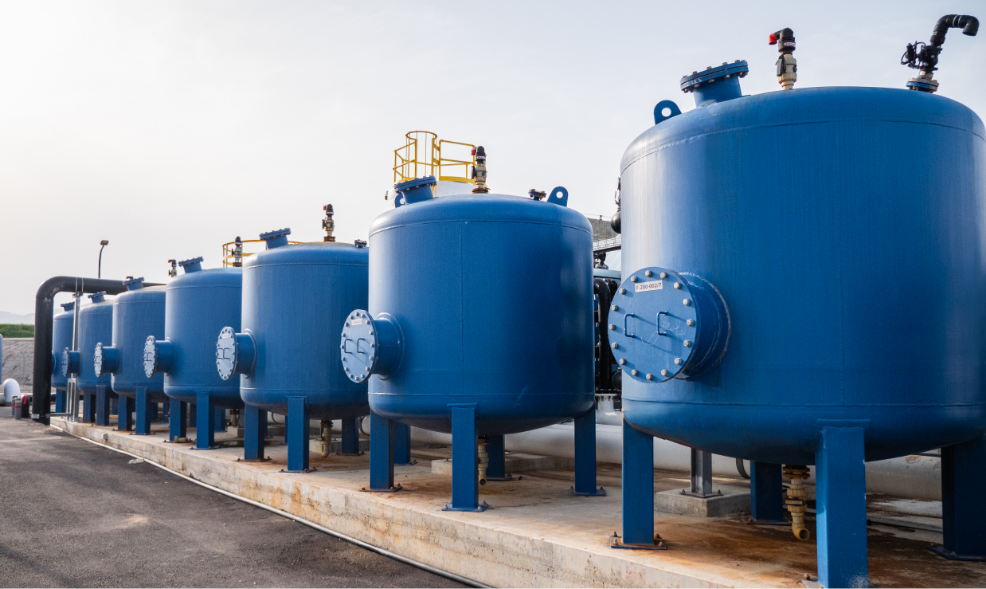

PRE-TREATMENT
Physical filtration water pretreatment is a crucial step in safeguarding downstream processes. It effectively removes harmful pollutants and particulates, thereby protecting and enhancing the efficiency of other systems, such as dissolved solids removal (including reverse osmosis, ion exchangers, and EDI) and biological treatment systems. This essential process ensures the smooth operation and longevity of the entire water treatment infrastructure.
Learn more about IDE’s complete range of pre-treatment solutions.

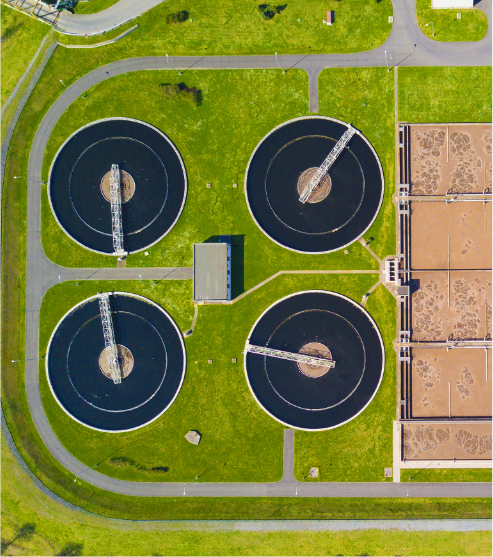

BIOLOGICAL TREATMENT
Biological wastewater treatment is often used as a secondary treatment process to remove material remaining after primary treatment. Biological treatments rely on bacteria, nematodes, or other small organisms to break down organic waste using normal cellular processes.
Find out about IDE’s specialized bio-treatment solutions for various industries.
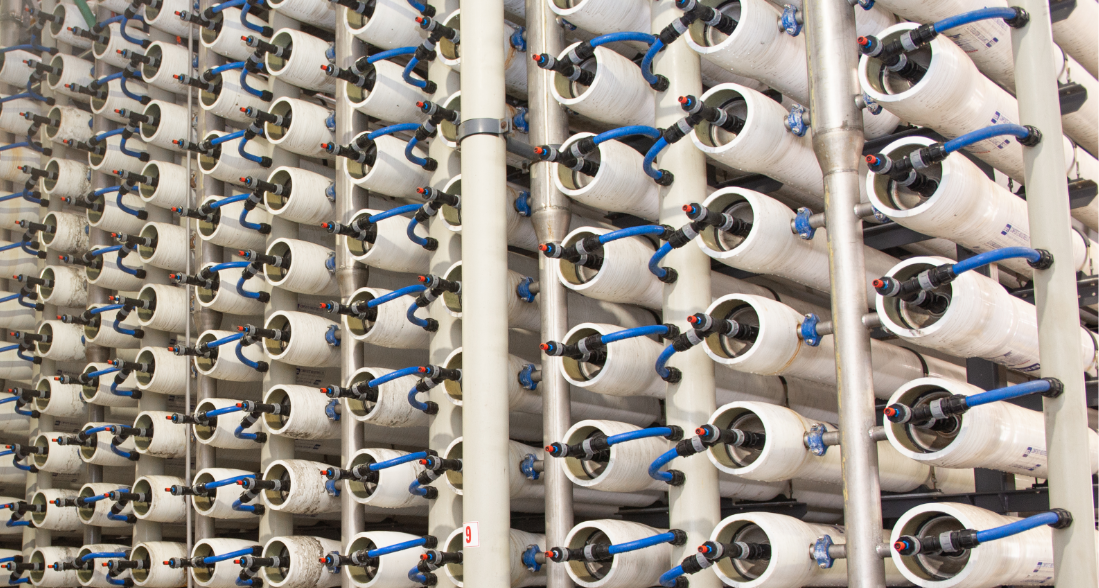


REVERSE OSMOSIS
Reverse Osmosis (RO) uses the principle of osmosis to remove salt and other impurities by transferring water through a series of semi-permeable membranes. As water desalination plants expand globally, they are required to meet sustainable development goals.
Learn how IDE’s solutions alleviate water challenges while minimizing environmental impact and decreasing our customers’ energy and water footprints.
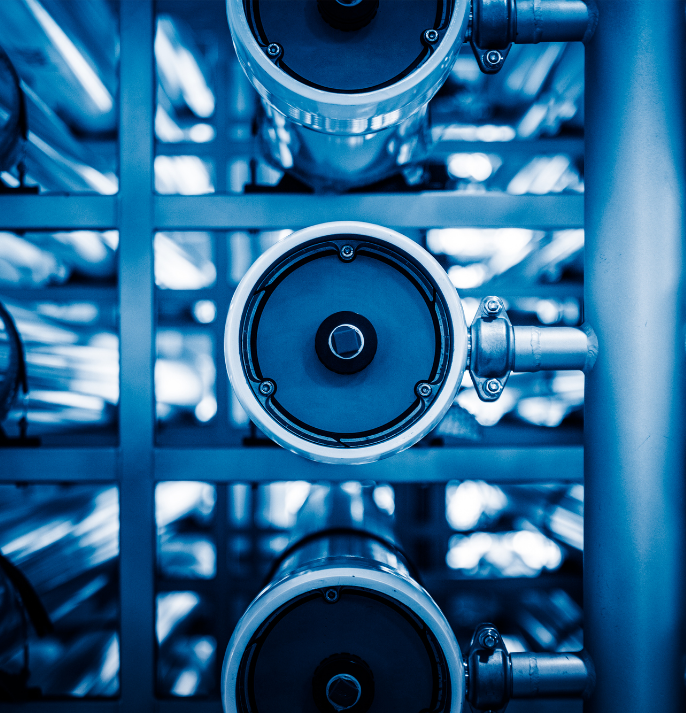

PERMEATE
POLISHING
The RO process removes over 99% of the dissolved solids from the feedwater, leaving approximately 1%, which is unacceptable for many applications. RO permeate is not considered of equal quality to demineralized or deionized water, nor is it considered ultrapure water. To achieve and maintain this level of purity, the RO permeate must be ‘polished.’
Read more about IDE’s two stages of permeate polishing.

ZLD (ZERO-LIQUID DISCHARGE)

MLD (Minimal Liquid Discharge) and ZLD (Zero Liquid Discharge) are advanced high recovery water treatment solutions designed to minimize or eliminate wastewater discharge from industrial processes.
MLD systems aim to significantly reduce the volume of liquid waste, typically achieving a reduction of 90-95%., while ZLD systems take the process further by ensuring that no liquid waste is discharged at all.
Discover how MLD and ZLD water treatment solutions provide significant benefits, helping industries achieve regulatory compliance, implement sustainable practices, and enhance operational efficiency.
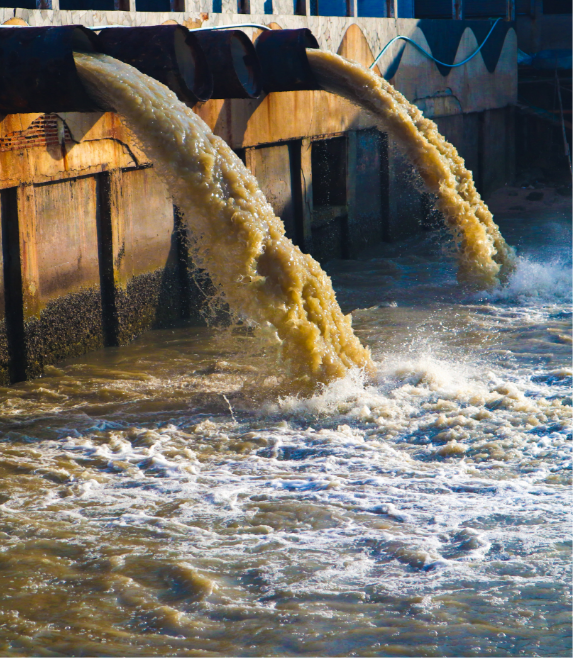

HIGH RECOVERY & BRINE MINIMIZATION
IDE Water technologies has developed two innovative technologies for maximizing recovery and complying with regulatory requirements – MAXH2O Desalter and MAXH2O PFRO.
The MAXH2O Desalter is a state-of-the-art RO solution that includes an integrated salt precipitation cycle for high recovery applications. MAXH2O Desalter process enables pushing the RO water treatment ability to its limit while overcoming the challenging limitation of membrane scaling and fouling – all this while enabling brine minimization and achieving the industry’s highest recovery rates.
MAXH2O PFRO technology overcomes the challenges of conventional RO operation by discharging brine in a pulse flow regime through short, high-velocity surges. The frequently and rapidly changing osmotic and hydraulic conditions reduce biofouling and scaling tendency allowing to push the recovery of the RO to new heights. Additionally, PFRO simplifies the preventive maintenance approach, which increases the time between CIPs and prolongs the life duration of the membranes.
Treat the toughest water by utilizing a smart combination of our proprietary MAXH2O products with a wide range of additional brine minimization and water treatment technologies.


treatment regulations:
Wastewater treatment regulations are becoming ever more stringent, following worldwide recognition of the need to preserve the environment. Regulations are not limited only to the amounts you can discharge, but also address the levels of pollutants that can be discharged.
The Clean Water Act (CWA) establishes the basic structure for regulating discharges of pollutants into the waters of the United States, and regulating quality standards for surface waters. Under the umbrella of the CWA, the US Environmental Protection Agency (EPA) has developed national water quality criteria recommendations for pollutants in surface waters, as well as produced a comprehensive Guide for Industrial Waste Management, with the objective of providing facility managers and regulators with recommendations and tools to better address the management of the large quantities of waste generated by industrial water treatment facilities.
Federal water quality criteria define the maximum permissible levels of various pollutants that will ensure the protection of marine life and human health. Water quality standards are developed to maintain this quality of water, and the responsibility for these standards rests at State level.
The EPA develops national wastewater discharge standards – Effluent Guidelines – on an industry-by-industry basis. These are technology-based regulations and are intended to represent the greatest reductions of pollutants that are economically achievable for an industry.
The standards for direct dischargers are incorporated into National Pollutant Discharge Elimination System (NPDES) permits issued by States and EPA regional offices, and permits, or other control mechanisms for indirect dischargers
Preventing pollution requires a comprehensive, holistic approach; an approach that looks at an entire facility – from its physical design, through its production processes and products, with the aim of identifying how to mitigate and minimize environmental impacts across the facility. The Pollution Prevention Act of 1990, a national, 4-step policy calls for:
- Examination of waste streams and technologies to identify opportunities for recycling and/or reusing wastewater
- Reducing volume and contamination of waste prior to final disposal to reduce costs and comply with regulations
- Minimum amount to authorized sites, MLD or ZLD are high priority
- Any practice that reduces pollution prior to recycling/reusing treatment, and/or disposal. Proper maintenance of filters and membranes
Related Solutions
All solutions



Related Projects

-
Wastewater Treatment for a Semiconductor Manufacturer (Israel)
Semiconductor, PFRO, Wastewater treatment, Water treatment
Read more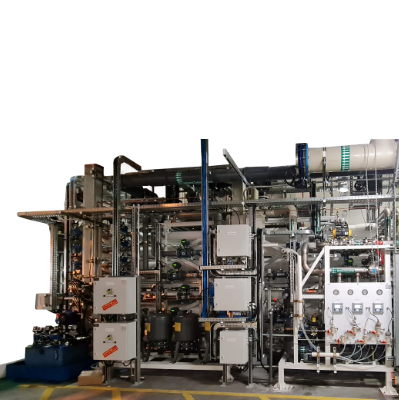
-
Cherokee Wastewater Treatment Plant (USA)
PFRO, Wastewater Treatment, Municipal
Read more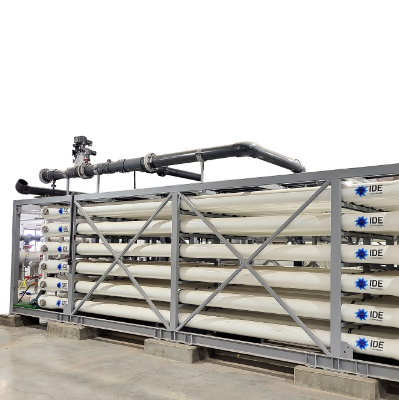
-
Wintershall Oil & Gas Project (Germany)
Desalination, MVC, EPC, Oil & Gas, IWT
Read more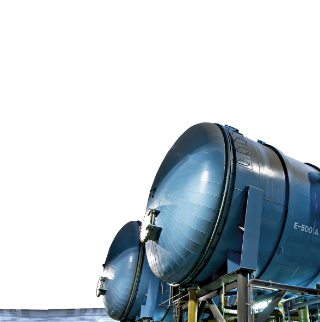
-
Koyambedu Wastewater Treatment Plant (India)
Wastewater treatment, RO, Municipal, O&M, DBO, TTRO
Read more
FAQ
Selecting a ZLD system starts with understanding your water chemistry, recovery targets, and regulatory environment. High-salinity or silica-rich wastewater may require additional pretreatment steps such as softening, AOPs, or biological treatment before entering the ZLD process. You’ll also need to evaluate energy use, plant footprint, operational complexity, and whether full ZLD is required or if Minimum Liquid Discharge (MLD) is a more cost-effective option. A detailed water balance is essential for designing a system that reliably reduces discharge while supporting long-term sustainability goals.
MLD and ZLD systems begin by maximizing recovery through high-recovery RO, which significantly reduces the volume of brine requiring thermal treatment. MLD typically stops after the brine concentrator stage, leaving a small liquid stream. ZLD adds an additional crystallization stage to convert all remaining liquid into solid salts. This combination of membrane and thermal technologies allows industries to meet stringent discharge regulations while recovering high-quality water for reuse.
Industries with strict discharge limits, water scarcity, or complex wastewater frequently adopt ZLD. This includes power generation, mining, semiconductors, petrochemicals, textiles, steel production, and large industrial campuses. ZLD helps these industries minimize environmental impact, reduce reliance on freshwater sources, and comply with tightening regulatory standards.
“Ultrafiltration (UF) is used to remove suspended solids, colloids, oils, and microorganisms. It provides excellent pretreatment for RO by stabilizing feedwater quality. Reverse Osmosis (RO) removes dissolved salts, minerals, heavy metals, and organics, producing high-purity permeate. RO is essential for desalination, industrial wastewater recycling, and applications requiring consistent process water quality. Together, UF + RO create a robust treatment train capable of handling challenging industrial water conditions.”
Effective RO pretreatment often includes coagulation, softening, multimedia filtration, activated carbon, ultrafiltration, and cartridge filtration. These steps reduce turbidity, hardness, organics, and microbiological activity, which in turn minimizes fouling and scaling. Proper pretreatment improves RO recovery, reduces cleaning frequency, and extends membrane lifespan.
Fouling is caused by suspended solids, organics, biological growth, colloids, oils, and scaling from dissolved salts. Prevention requires stable pretreatment, correct antiscalant dosing, controlled flux, and real-time monitoring. Advanced technologies such as high-turbulence RO systems, membrane coatings, and AI-based fouling prediction further reduce fouling risk and help maintain consistent performance.
Emerging solutions include hybrid membrane-thermal systems for high recovery, advanced oxidation processes (AOPs) for persistent contaminants, ceramic and low-pressure membranes, membrane distillation, and low-temperature evaporators for brine management. Digital process optimization and AI-driven control systems are also transforming how industrial water treatment plants operate, improving uptime and reducing OPEX.
AOPs generate highly reactive hydroxyl radicals that break down complex organic pollutants, pharmaceuticals, dyes, and trace contaminants. They are typically used as tertiary treatment before membrane systems or when wastewater contains compounds resistant to biological degradation. AOPs improve downstream RO performance and help facilities meet strict discharge and reuse standards.
Pharmaceutical wastewater contains high-COD organics, APIs, solvents, surfactants, and compounds that resist traditional biological treatment. A combination of AOPs, activated carbon, membrane technologies, and carefully designed pretreatment steps is often required. These advanced solutions ensure consistent effluent quality and prevent damage to downstream RO systems.
Membrane fouling is caused by the accumulation of suspended solids, colloids, organic matter, biological growth, oils, and inorganic scale on the membrane surface. Fouling reduces permeate flow, increases pressure, and raises operating costs. Consistent pretreatment, optimized antiscalant dosing, and frequent monitoring are essential to minimizing fouling in industrial RO systems.
“Fouling refers to the buildup of organic particles, biological growth, colloids, and oils. Scaling is the crystallization of inorganic compounds such as calcium carbonate, silica, or sulfate salts on membrane surfaces. Both impact performance, but scaling is chemistry-driven, while fouling is related to particulate or biological loads.”
To minimize fouling, facilities should implement reliable pretreatment, maintain stable chemical dosing, control flux rates, and perform timely clean-in-place (CIP) cycles. Advanced membrane designs, high-shear RO systems, and predictive monitoring tools further improve long-term fouling resistance.
Modern membranes incorporate hydrophilic coatings, anti-adhesive polymers, surface charge modifications, and nanoparticle-based layers to reduce organic and biological attachment. These enhancements help maintain higher flux, reduce cleaning frequency, and support high-recovery RO operation.
AI can analyze trends in pressure, flow, turbidity, conductivity, and feedwater chemistry to predict fouling before it impacts performance. Predictive models optimize cleaning schedules, adjust chemical dosing, and alert operators to early fouling indicators. This reduces downtime, prolongs membrane life, and improves overall system reliability.
Cooling tower blowdown is the water discharged from a cooling tower to control the buildup of dissolved solids left behind during evaporation. If not managed, these solids cause scaling, corrosion, and biological growth. Treating blowdown water allows facilities to reuse it, reduce freshwater demand, and comply with environmental regulations.
Recovered blowdown typically undergoes softening, filtration, ultrafiltration, and RO to remove suspended solids, hardness, and dissolved salts. Treated water can be returned to the cooling system or used for other industrial processes. High-recovery RO systems significantly reduce blowdown volume and improve water efficiency.
Blowdown water commonly contains high levels of TDS, silica, calcium, magnesium, chloride, sulfate, metals, and residual treatment chemicals. These contaminants require targeted treatment to ensure effective recovery and reuse.
Recycling reduces the need for freshwater intake and minimizes discharge, lowering water purchase and disposal costs. It also helps facilities meet sustainability goals, improve water resilience, and reduce the environmental footprint of cooling operations.
Water recovery rate is the percentage of feedwater converted into usable water. Higher recovery reduces wastewater volumes, lowers operating costs, and supports sustainability initiatives. High-recovery RO and brine concentration systems help industries maximize water efficiency.
High-recovery RO systems use advanced membrane materials, controlled hydrodynamics, optimized chemical dosing, and real-time monitoring to reduce scaling and fouling risks. These technologies enable RO systems to operate at higher concentrations without compromising performance.
Water scarcity, tightening regulations, and sustainability commitments make efficient water use a priority. High recovery reduces operational risk, lowers water procurement costs, and helps industries build long-term resilience.
Industrial wastewater recycling typically begins with pretreatment to remove solids, oils, and organics. This is followed by membrane filtration (UF, RO) to separate high-purity water from concentrated brine. Advanced polishing steps or thermal technologies may be added for high-TDS streams. Recovered water is reused in cooling towers, boilers, or process applications, creating a closed-loop system.
Closed-loop systems reduce freshwater consumption, minimize discharge, stabilize water supply, and cut operating costs. They also support environmental compliance and help facilities achieve long-term sustainability goals.
Industries with high water demand or strict discharge regulations—such as mining, power generation, semiconductors, chemicals, steel, textiles, and data centers—gain significant value from wastewater recycling due to improved water resilience and reduced operational costs.
Industrial water treatment solutions remove contaminants that impact equipment performance, product quality, and regulatory compliance. These systems help manage scaling, corrosion, fouling, high salinity, organics, metals, and microbiological load, ensuring reliable operation and protecting critical assets.
The best solution depends on your water chemistry, required output quality, water recovery targets, footprint limitations, and regulatory requirements. A thorough water analysis and process assessment help determine the ideal combination of pretreatment, membranes, and thermal systems.
Modern plants use high-efficiency pumps, smart chemical dosing, advanced membranes, integrated energy recovery devices, and real-time monitoring. These improvements reduce energy use, increase recovery, and improve long-term reliability.
A complete treatment plant may include screening, chemical pretreatment, softening, filtration, UF/NF/RO membranes, AOPs, biological treatment, brine concentrators, crystallizers, and advanced automation systems for monitoring and control.
The process usually includes intake screening, pretreatment, filtration, membrane separation, polishing, wastewater treatment, and sometimes ZLD or reuse. Each stage targets specific contaminants to ensure the water meets required quality standards.
Pretreatment stabilizes the feedwater by removing solids and adjusting chemistry. Filtration further reduces turbidity and organics. Membranes then remove dissolved salts and contaminants. Together, these stages deliver consistent performance and high water recovery.
Biological processes break down biodegradable organics, while AOPs destroy persistent pollutants. These technologies improve overall treatment efficiency and prepare water for downstream RO or reuse applications.
RO membranes can be damaged by chlorine, extreme pH, scaling, fouling, pressure surges, and improper cleaning chemicals. Proper pretreatment, controlled operating conditions, and scheduled maintenance protect membrane integrity.
High TDS and silica increase scaling risk and limit recovery in conventional systems. High-recovery RO designs, optimized antiscalants, and advanced concentrate management technologies help manage these challenges and improve performance.
Cleaning frequency varies by feedwater quality, pretreatment performance, and operating conditions. Predictive monitoring helps determine the ideal cleaning schedule, reducing unnecessary chemical use and prolonging membrane life.
Water reuse reduces dependence on freshwater sources, lowers discharge volumes, and supports environmental stewardship. Many regions now require industries to recycle or reuse water, making closed-loop systems an important compliance strategy.
Recycling reduces water costs, limits exposure to supply shortages, minimizes wastewater disposal fees, and lowers a facility’s overall environmental footprint. It also helps industries meet internal sustainability targets and regulatory expectations.
Let’s Talk About Your Water Needs